Loading…
Ocular Surface Condition
Understanding Dry Eye Syndrome
One of the most common eye conditions, affecting millions worldwide. Understanding the cause of your dry eye is the key to effective treatment.
What is Dry Eye Syndrome?
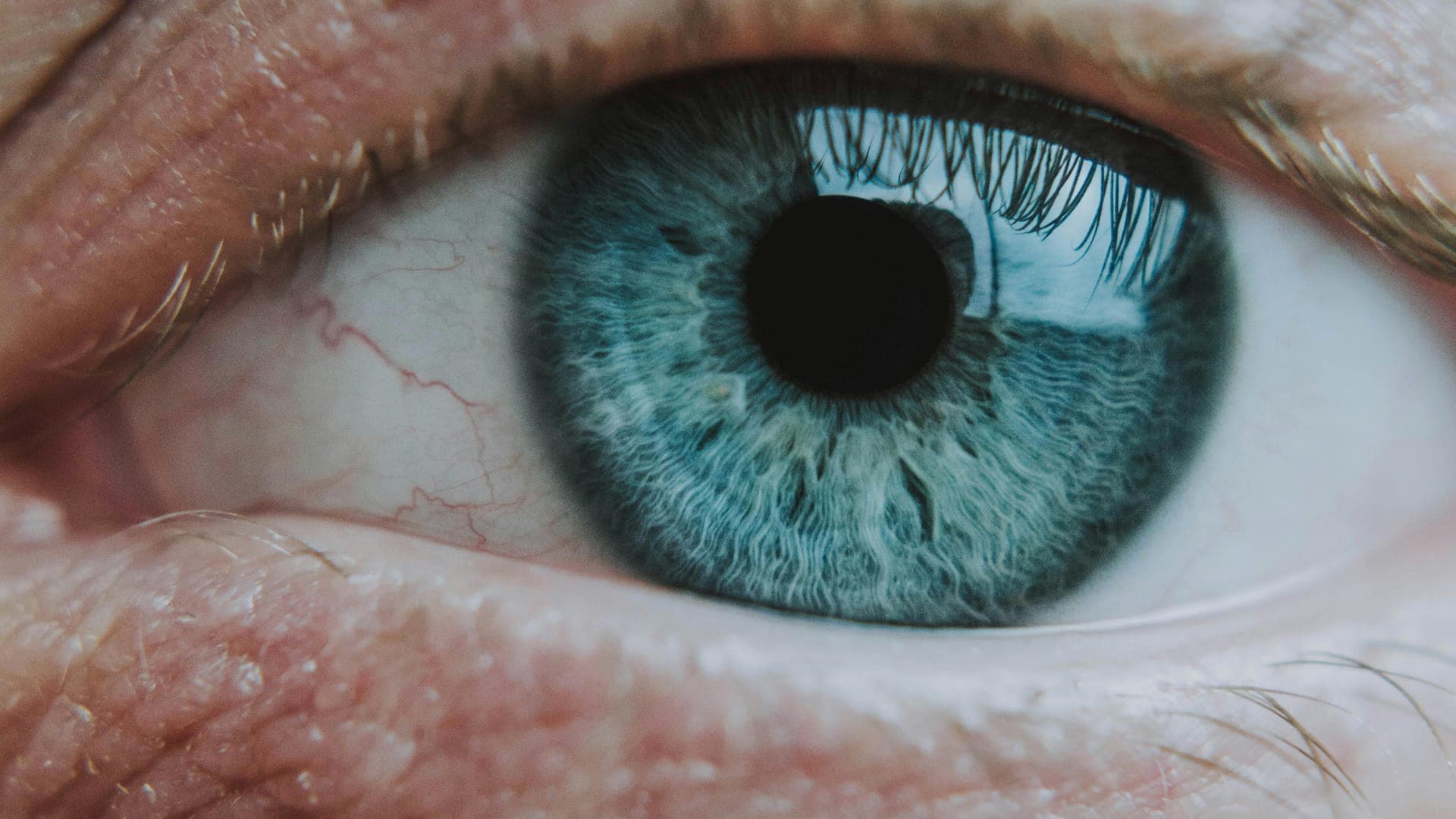
Dry eye syndrome (also called dry eye disease or keratoconjunctivitis sicca) is a common condition where your tears fail to provide adequate lubrication for your eyes.
Your tear film has three layers: an outer oily layer, a middle watery layer, and an inner mucus layer. Problems with any of these layers can lead to dry eye symptoms. The condition can be caused by insufficient tear production, excessive tear evaporation, or both.
Dry eye is more than just an inconvenience—it can significantly affect quality of life, making everyday activities like reading, driving, and computer work uncomfortable.
Common Symptoms
Gritty, sandy sensation
Burning or stinging
Excessive watering
Blurred vision
Light sensitivity
Eye fatigue
Difficulty wearing contacts
Redness
Types of Dry Eye
Understanding which type you have guides treatment selection
Aqueous Deficiency
Inadequate production of the watery component of tears by the lacrimal gland.
Causes: Aging, autoimmune conditions (Sjögren's syndrome), medications
Evaporative Dry Eye
Tears evaporate too quickly due to problems with the oil layer.
Causes: Meibomian gland dysfunction, blepharitis, environmental factors
Mixed Type
Combination of reduced tear production and increased evaporation.
Causes: Most patients have elements of both types
Risk Factors
Age over 50
Tear production naturally decreases with age
Female gender
Hormonal changes affect tear production
Screen use
Reduced blink rate leads to increased evaporation
Contact lens wear
Can disrupt tear film stability
Certain medications
Antihistamines, antidepressants, blood pressure meds
Autoimmune conditions
Sjögren's syndrome, rheumatoid arthritis
Previous eye surgery
LASIK can temporarily worsen dry eye
Environmental factors
Air conditioning, heating, dry climates
Getting the Right Treatment
Effective dry eye treatment starts with proper diagnosis. Our Dry Eye Clinic identifies your specific type of dry eye and creates a tailored treatment plan.
Frequently Asked Questions
This seems counterintuitive, but watery eyes can be a sign of dry eye. When your tear film is unstable, it triggers reflex tearing—your eyes produce excess watery tears in response to irritation. However, these reflex tears don't have the right composition to lubricate effectively.
Dry eye is typically a chronic condition that requires ongoing management. While it's rarely "cured," most patients can achieve excellent symptom control with the right treatment plan. Some causes (like medication side effects) may be reversible.
Severe, untreated dry eye can damage the corneal surface over time. However, with appropriate treatment, this is uncommon. Most patients experience discomfort and visual symptoms rather than lasting damage.
The measurements used to select your cataract lens depend on a healthy tear film. An unstable tear film causes variable readings and can lead to suboptimal visual outcomes after surgery—even with premium lenses.
Tired of Living with Dry Eyes?
Stop masking symptoms with over-the-counter drops. Get a proper diagnosis and a treatment plan that addresses the root cause of your dry eye.