Loading…
Corneal Condition
Understanding Fuchs' Dystrophy
A progressive corneal condition that affects the innermost layer of the cornea, causing gradual vision loss. Advanced treatment is available.
What is Fuchs' Dystrophy?
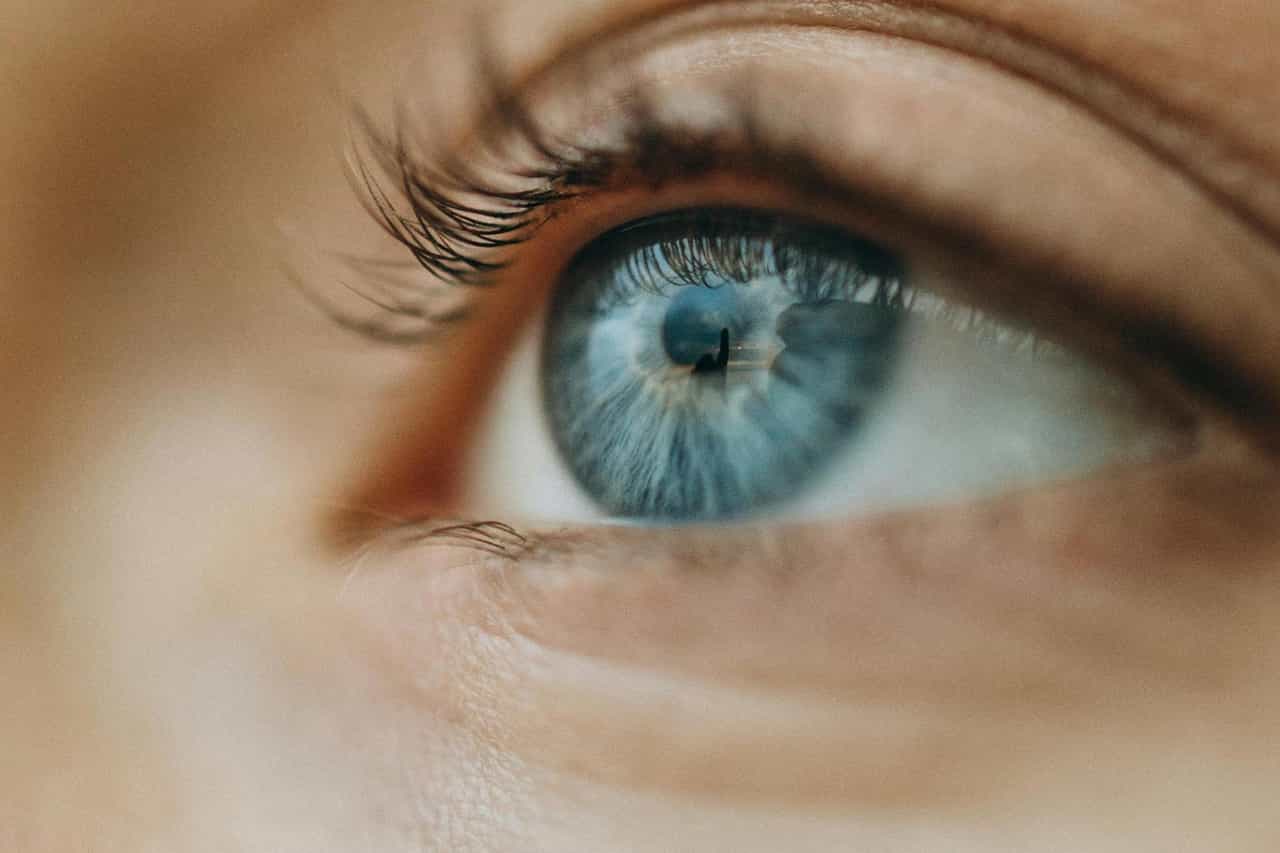
Fuchs' endothelial dystrophy (also called Fuchs' corneal dystrophy) is a progressive condition affecting the cornea—the clear front window of the eye.
The condition targets the corneal endothelium, a single layer of cells on the inner surface of the cornea. These cells act as tiny pumps, removing fluid from the cornea to keep it clear. In Fuchs' dystrophy, these cells gradually die and fail to regenerate.
As endothelial function declines, the cornea becomes waterlogged and swollen, leading to cloudy vision. The condition typically affects both eyes, though one may be worse than the other.
Symptoms
Symptoms often develop slowly over years. The hallmark symptom is vision that's worse in the morning and improves through the day.
Morning blur
Vision is cloudy upon waking, improving through the day
Glare and halos
Light sensitivity, especially around bright lights
Fluctuating vision
Vision changes throughout the day
Difficulty reading
Particularly in low light conditions
Cloudy or hazy vision
Progressive worsening over time
Eye pain or discomfort
In advanced cases, from corneal blisters
Stages of Fuchs' Dystrophy
Fuchs' dystrophy progresses through distinct stages, with different management at each stage
Early (Stage 1-2)
Guttae Formation
Visible changes in the endothelium (guttae) but often no symptoms. Can be detected on routine examination.
Management: Monitoring, no treatment needed
Moderate (Stage 3)
Corneal Swelling
Morning blur begins as the cornea swells overnight. Vision improves through the day as fluid evaporates.
Management: Hypertonic saline drops, monitoring for progression
Advanced (Stage 4)
Significant Dysfunction
Constant blurry vision, significant impact on daily activities. Corneal swelling persists throughout the day.
Management: DMEK or DSAEK corneal transplant
Specialist Expertise in Fuchs' Dystrophy
Miss Menassa has particular expertise in Fuchs' dystrophy, having trained in Heidelberg, Germany—where the DMEK technique for treating this condition was pioneered and perfected.
Her dual specialisation in both corneal and cataract surgery makes her ideally placed to manage patients who have Fuchs' dystrophy alongside cataracts, offering the combined "triple procedure" when appropriate.
Treatment Options
Conservative Management
For early to moderate stages, hypertonic saline drops can help draw fluid out of the cornea and improve morning vision. Using a hairdryer on low heat to evaporate surface moisture can also provide temporary relief.
Suitable for early stages with mild symptoms
DMEK Corneal Transplant
For advanced disease, DMEK (Descemet Membrane Endothelial Keratoplasty) replaces the dysfunctional endothelium with healthy donor tissue. This is the gold standard treatment, offering rapid visual recovery and excellent outcomes.
Frequently Asked Questions
Yes, Fuchs' dystrophy has a genetic component. If a parent has the condition, there's approximately a 50% chance of their children inheriting it (autosomal dominant inheritance with variable penetrance). If you have Fuchs' dystrophy, your close relatives may benefit from screening.
Not necessarily. Many people with Fuchs' dystrophy have a mild form that never significantly affects vision. However, if the condition progresses to cause persistent vision problems, corneal transplantation offers excellent results. DMEK, in particular, provides rapid visual recovery.
Yes, but it requires careful planning. Cataract surgery can stress the already compromised endothelium. For mild Fuchs', cataract surgery alone may be performed with extra precautions. For more advanced cases, Miss Menassa may recommend a 'triple procedure' combining cataract surgery with DMEK transplant.
The triple procedure combines three steps in one operation: cataract removal, lens implant, and DMEK corneal transplant. This avoids the need for two separate surgeries and can give excellent results for patients with both cataracts and Fuchs' dystrophy.
DMEK has excellent outcomes for Fuchs' dystrophy, with success rates of 95-98%. Most patients achieve good vision within weeks to months after surgery. Graft survival is typically excellent, with studies showing over 95% success at 5 years.
Been Diagnosed with Fuchs' Dystrophy?
If you've been diagnosed with Fuchs' dystrophy or are experiencing symptoms like morning blur, book a consultation to discuss your options with a specialist.