Loading…
Eye Condition
Cataracts: Understanding the Condition and Getting Help
Cataracts are the leading cause of treatable blindness worldwide. Treatment includes cataract surgery and lens exchange (or lens replacement), often with the option to reduce or eliminate dependence on glasses. Understanding the condition helps you recognise symptoms early and make informed treatment decisions.
Affects 50%+ over 80
Develops gradually
Highly treatable
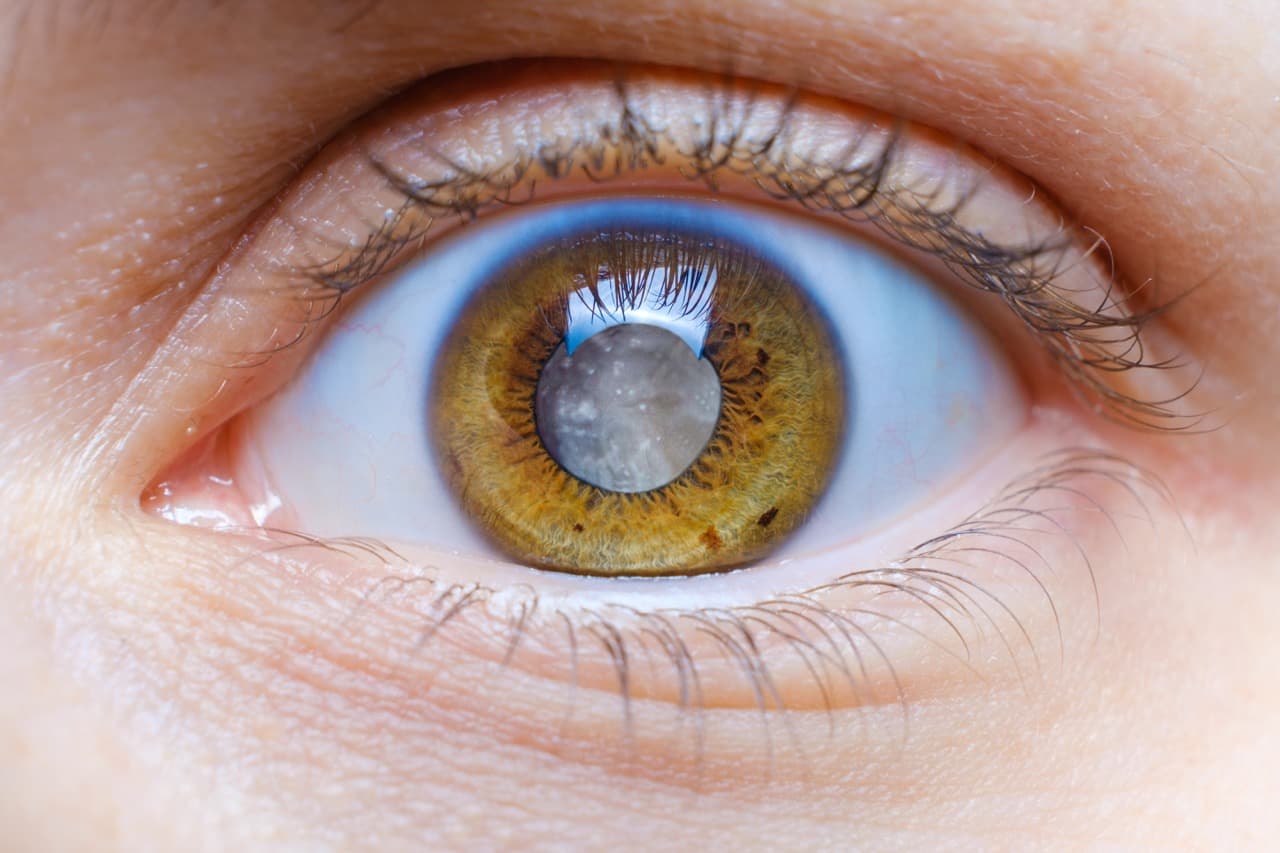
What Are Cataracts? Understanding the Condition
A cataract is a clouding of the natural lens inside your eye. This lens, located behind the iris (the coloured part of your eye) and the pupil, is normally crystal clear and helps focus light onto the retina.
As proteins in the lens break down over time—usually due to aging—they clump together and cause the lens to become cloudy. This cloudiness blocks and scatters light, making vision blurry, dull, or less colourful.
Cataracts usually develop slowly over years and may affect one or both eyes. In the early stages, you may not notice any symptoms, but as the cataract grows, it increasingly affects your vision and quality of life.
Symptoms of Cataracts
Cataracts develop gradually. You may not notice symptoms initially, but as the cataract progresses, you may experience:
Blurry or cloudy vision
Like looking through a dirty window
Increased glare sensitivity
Particularly when driving at night
Faded or yellowed colours
Whites may appear yellowish
Difficulty reading in low light
Need brighter lighting for tasks
Frequent glasses prescription changes
Vision keeps changing
Double vision in one eye
Monocular diplopia
Halos around lights
Especially at night
Second sight phenomenon
Temporary near vision improvement
Types of Cataracts
Cataracts can form in different parts of the lens, each causing different visual symptoms
Nuclear Sclerotic
Most common type. Forms in the centre of the lens. Causes gradual yellowing and hardening.
Visual symptoms: Gradual blurring, improved near vision initially
Cortical
Starts at the edges and works inward. Creates spoke-like opacities.
Visual symptoms: Glare and problems with contrast
Posterior Subcapsular
Forms at the back of the lens. Develops faster than other types.
Visual symptoms: Difficulty reading, halos around lights
Causes
The most common cause of cataracts is aging. As we get older, proteins in the lens naturally break down and clump together, causing cloudiness.
Other causes include eye injuries, certain medications (especially long-term steroids), medical conditions like diabetes, previous eye surgery, and radiation exposure.
In rare cases, babies can be born with cataracts (congenital cataracts) or develop them in childhood.
Risk Factors
Age over 60
Diabetes
Smoking
Excessive alcohol consumption
Prolonged sun exposure
Previous eye surgery or injury
Long-term steroid use
Family history of cataracts
When to Consider Cataract Surgery
There's no specific threshold for when cataract surgery is needed. The right time is when your cataracts are affecting your quality of life. Consider surgery if:
- You have difficulty driving, especially at night
- Reading or close work has become difficult
- You struggle to recognise faces
- Your vision is affecting your independence
- You cannot do activities you enjoy
Treatment Options
The only effective treatment for cataracts is surgical removal (cataract surgery or lens exchange). There are no drops, medications, or exercises that can cure cataracts.
Cataract & Lens Exchange Surgery
Modern cataract surgery and lens exchange (lens replacement) are among the safest and most successful procedures in medicine. The cloudy or ageing lens is removed and replaced with a clear artificial lens (intraocular lens or IOL). The procedure takes 15-20 minutes and is performed as a day case under local anaesthetic.
With premium lens options, cataract and lens exchange surgery can also correct astigmatism and reduce dependence on glasses for both distance and near vision.
Frequently Asked Questions
Cataracts typically begin to develop after age 60, though they can occur earlier. By age 80, more than half of people have a cataract or have had cataract surgery. Some people develop cataracts in their 40s or 50s, especially with certain risk factors.
While you cannot completely prevent cataracts, you can reduce your risk by wearing UV-protective sunglasses, not smoking, managing diabetes well, eating a healthy diet rich in antioxidants, and limiting alcohol consumption.
No. This is an outdated concept from when surgical techniques were less advanced. Modern cataract surgery can be performed at any stage. The right time for surgery is when cataracts affect your quality of life and daily activities.
Once removed, a cataract cannot return. However, some patients develop "posterior capsule opacification" months or years later, where the capsule behind the new lens becomes cloudy. This is easily treated with a quick laser procedure called YAG capsulotomy.
Clinical evidence shows cataract surgery is one of the safest and most commonly performed surgeries in the world, with a success rate over 98% in most cases. Like any surgery, there are risks, but serious complications are rare. Miss Menassa will discuss all risks and what to expect during your consultation.
Think You May Have Cataracts?
If you're experiencing symptoms of cataracts, book a consultation with Miss Menassa. She'll assess your eyes, explain your options, discuss what to expect, and help you decide if the time is right for treatment.
Book a Consultation with Miss Menassa
Discuss your diagnosis, recovery expectations and options with a consultant corneal and cataract surgeon. We will assess your individual situation and recommend the most appropriate approach.