Loading…
Ocular Surface Treatment
Blepharitis Treatment
Expert management of chronic eyelid inflammation with personalised treatment protocols for long-term relief.
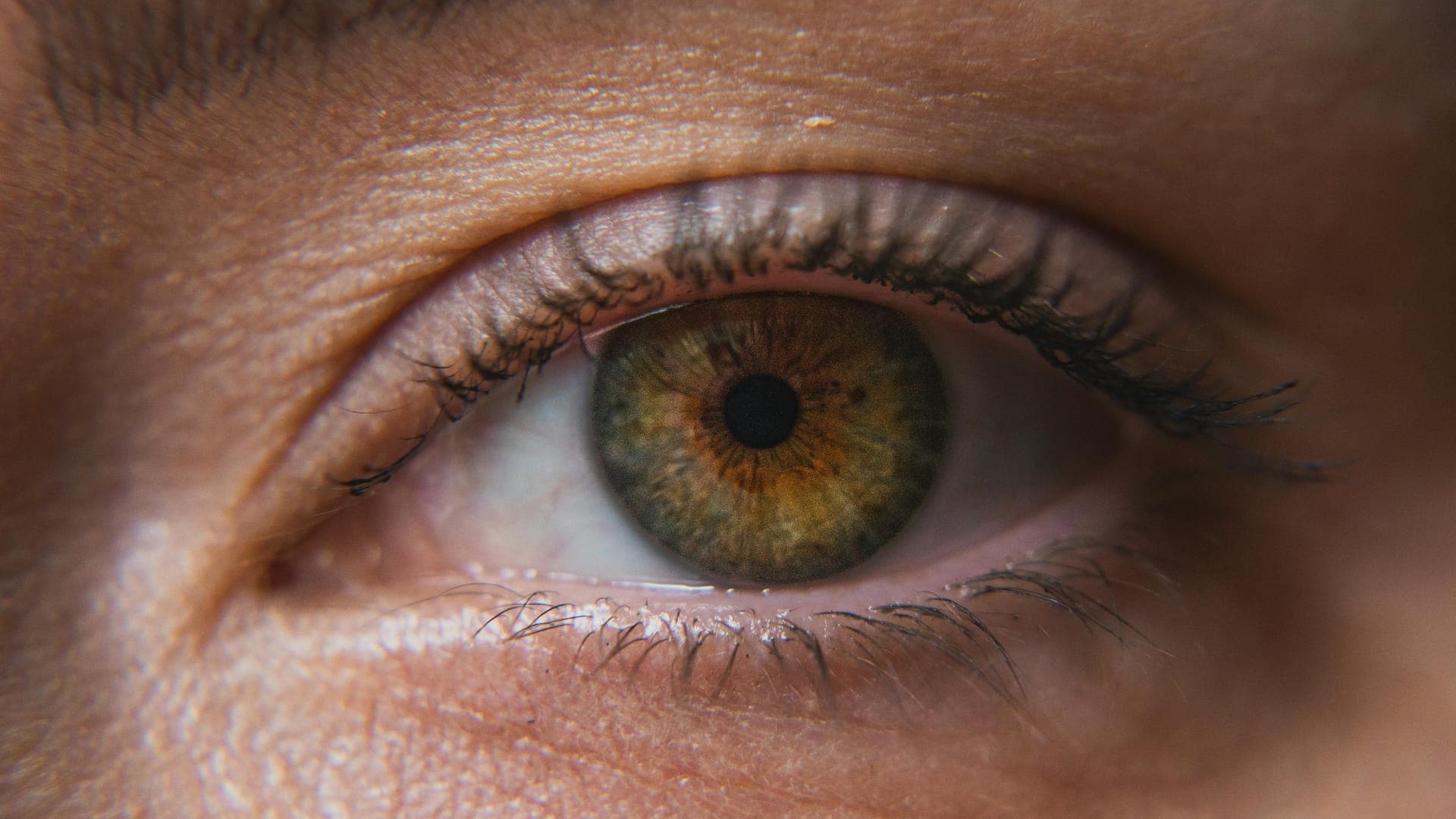
What is Blepharitis?
Blepharitis is chronic inflammation of the eyelid margins. It affects millions of people and is one of the most common eye conditions seen in clinical practice.
There are two main types: anterior blepharitis, affecting the outer eyelid where eyelashes attach, and posterior blepharitis, affecting the inner eyelid and meibomian glands. Many patients have both.
Common Symptoms
Red, swollen eyelid margins
Crusty debris on eyelashes
Burning or stinging sensation
Gritty feeling in eyes
Watery eyes
Sensitivity to light
Eyelids sticking together
Frequent styes or chalazia
Treatment Protocol
Effective blepharitis management combines daily maintenance with targeted treatments
1
Warm Compresses
Heat therapy to soften blocked oil glands and improve flow. We recommend specific techniques and products for best results.
2
Lid Hygiene
Gentle cleaning of the eyelid margins to remove debris and bacteria. We provide guidance on effective products and techniques.
3
Omega-3 Supplements
Evidence-based supplementation to improve oil gland function and tear quality.
4
Prescription Treatments
When needed, antibiotic ointments or drops, anti-inflammatory medications, or oral antibiotics for severe cases.
Why Professional Treatment?
Many people self-treat blepharitis with over-the-counter products, but often without proper diagnosis or technique. A specialist assessment ensures:
- Correct diagnosis of the type of blepharitis
- Identification of contributing factors
- Proper technique instruction for lid hygiene
- Access to prescription treatments when needed
- Monitoring for complications
Blepharitis FAQs
Blepharitis is typically a chronic condition that requires ongoing management rather than a one-time cure. However, with consistent treatment, symptoms can be well controlled. Many patients find that once they establish a good lid hygiene routine, their symptoms reduce significantly and flare-ups become less frequent.
You may notice improvement within 2-4 weeks of starting treatment. However, building a healthy eyelid margin takes time—typically 2-3 months of consistent therapy. Most patients need to continue some level of maintenance treatment long-term to prevent recurrence.
Blepharitis itself doesn't directly damage vision, but it can cause significant visual symptoms. The unstable tear film causes fluctuating, blurred vision. If left untreated, chronic blepharitis can lead to corneal problems and scarring of the eyelid margins.
Blepharitis and dry eye are closely linked. Most blepharitis involves dysfunction of the meibomian glands, which produce the oil layer of your tears. When these glands don't work properly, your tears evaporate too quickly, causing dry eye symptoms.
Get Your Blepharitis Under Control
Stop the cycle of flare-ups and frustration. Get a proper assessment and a treatment plan that works for your specific type of blepharitis.