Loading…
Ocular Surface Condition
Meibomian Gland Dysfunction (MGD)
The leading cause of evaporative dry eye, affecting the oil-producing glands in your eyelids that keep your tears from evaporating too quickly.
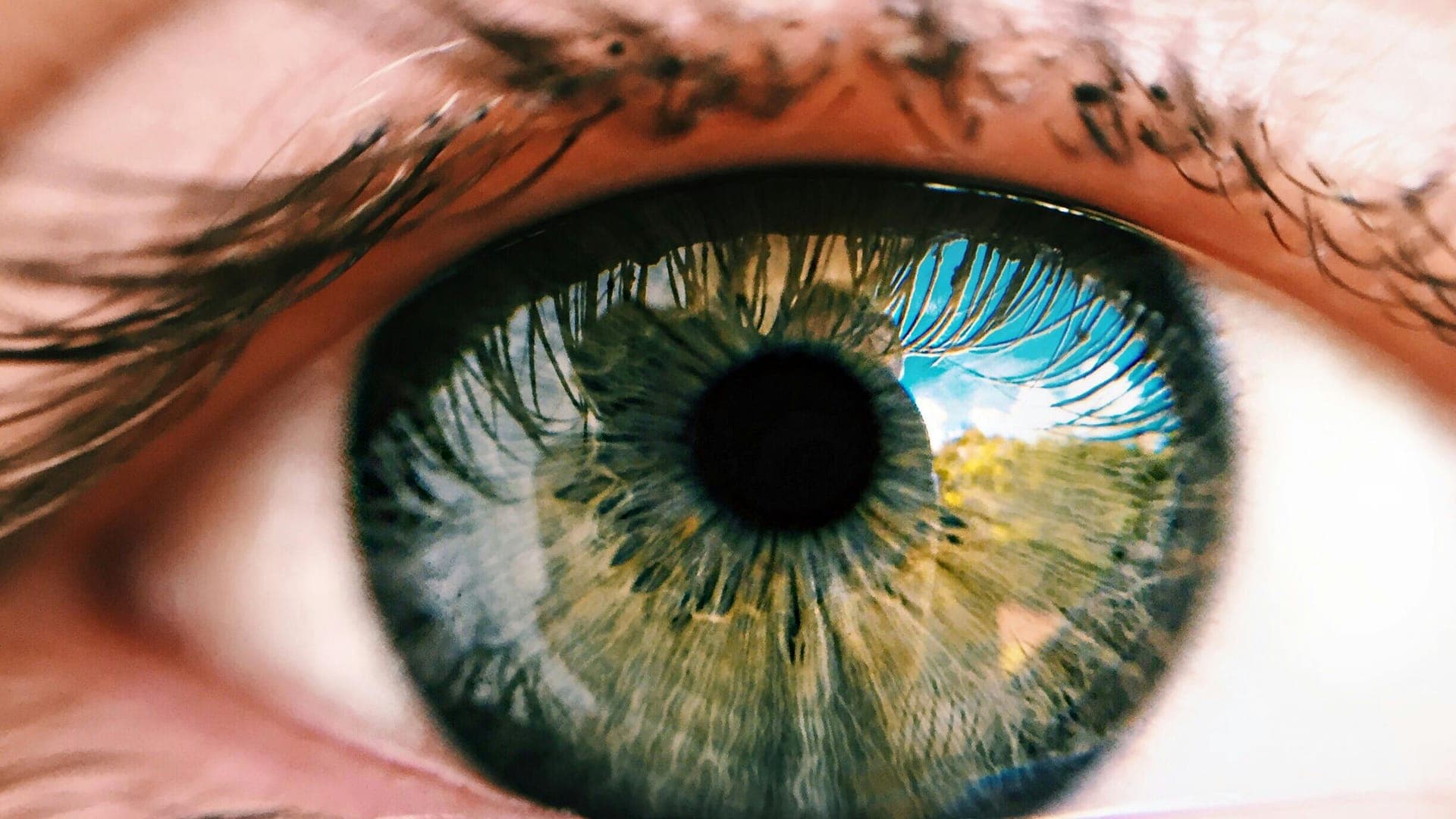
What is MGD?
Meibomian gland dysfunction (MGD) occurs when the tiny oil glands in your eyelids (meibomian glands) become blocked or produce abnormal oil.
Your tear film has three layers: an outer oil layer, a middle water layer, and an inner mucus layer. The meibomian glands produce the outer oil layer, which prevents your tears from evaporating too quickly.
When these glands are blocked or dysfunctional, your tears evaporate faster than they should, leading to dry eye symptoms. MGD is responsible for up to 86% of all dry eye cases.
Symptoms of MGD
MGD symptoms often overlap with general dry eye symptoms
Dry, gritty eyes
Burning sensation
Blurred vision
Eye fatigue
Watery eyes
Sensitivity to light
Red eyelid margins
Foam in tear film
Treatment Options
Effective MGD treatment focuses on unblocking the glands and improving oil quality
Warm compress therapy
Lid hygiene and massage
Omega-3 fatty acids
Prescription anti-inflammatory drops
Meibomian gland expression
Intense Pulsed Light (IPL)
Get Proper Diagnosis
MGD is often underdiagnosed. Our Dry Eye Clinic includes meibomian gland imaging to assess your gland health and create a targeted treatment plan.